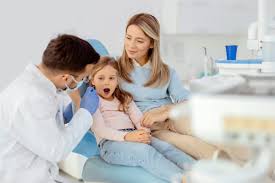
The Benefits of Family Dentistry for Your Family
Having a Peoria Family Dentistry for your family is not only good for the health of your teeth, but it also provides a range of other benefits, such as eliminating the need for multiple dentists. In addition, it also helps to teach your children about good dental hygiene.
Prevent cavities
Getting your teeth cleaned and checked by a family dentist is a great way to avoid cavities. They can also assess the level of fluoride in your teeth. This is important, because fluoride strengthens the enamel on your teeth. It’s also good for your overall health.

It’s important to brush your teeth twice a day and floss daily. You should also drink plenty of water to wash away food debris. It’s also important to choose a beverage that doesn’t contain a lot of acid.
Sugar is one of the most common causes of cavities. Bacteria in the mouth feed on sugar and produce acids, which attack the tooth enamel. These acids can cause decay and gum disease.
You may have heard that brushing and flossing is the best way to prevent cavities. But this is not always the case. If you are not careful, cavities can develop quickly. The most important step is to get your teeth checked by a dentist.
Prevent gum disease
Using the right family dentistry treatments can help you keep your gums and teeth healthy. Periodontal disease is one of the major threats to your oral health. It can lead to loss of teeth and bone loss, which can lead to more serious conditions.
To keep your mouth healthy, brush twice a day. Brushing the teeth helps remove plaque, a sticky film that accumulates on the teeth and gums. When plaque is left to accumulate, it can harden into tartar. Tartar can cause gums to swell and recede. Tartar can also be a hazard to your jawbone.
Brushing your teeth regularly also helps remove food particles between your teeth. Flossing is also important. Brushing and flossing work together to remove food particles and plaque.
It is important to make sure you are getting regular checkups with your dentist. During your checkups, your dentist will check your gums and teeth for problems. He or she may recommend a deeper cleaning procedure.
Teach children about oral hygiene
Educating your children on oral hygiene is one of the best ways to keep their teeth clean and free from dental problems. This is because a clean mouth lowers the chances of dental diseases and bad breath.
Teaching kids about oral health can be challenging. Some parents do not have a firm grasp on the subject. However, there are some clever ways to teach your children about the right dental care habits.
First, let them know that it is important to brush their teeth. Brushing your teeth is the best way to keep your mouth clean and free from dental disease. They will then be more likely to follow your example.
Next, have them brush their teeth for two minutes. If possible, get them to use a timer to make sure they are brushing for the right amount of time.
Finally, let them know the importance of flossing. Flossing is a good way to remove debris from the teeth and gums. It is also a good way to clean out any cavities.
Eliminate the need for multiple dentists
Having a family dentist for your family can save you both time and money. You’ll have access to a wide variety of dental services and will be able to see a dentist every time you need one.
Family dentists also know how to handle the needs of children. They can help ease their anxiety and encourage them to practice good dental hygiene habits. This helps keep your children’s teeth clean and cavity-free. Having a dentist for your children as they grow up can also help you to build a long-lasting relationship with your dentist, so you can feel comfortable referring your children to him or her in their adult years.
Your family dentist can also provide a variety of treatments for your children, including fillings, tooth extractions, and root canals. The doctor can also refer you to a specialist if he or she feels your child needs more complex dental work.
Family dentists know your family’s dental history and can predict any dental diseases that may arise. They also track your family’s allergies, sensitivities, and symptoms between appointments.