
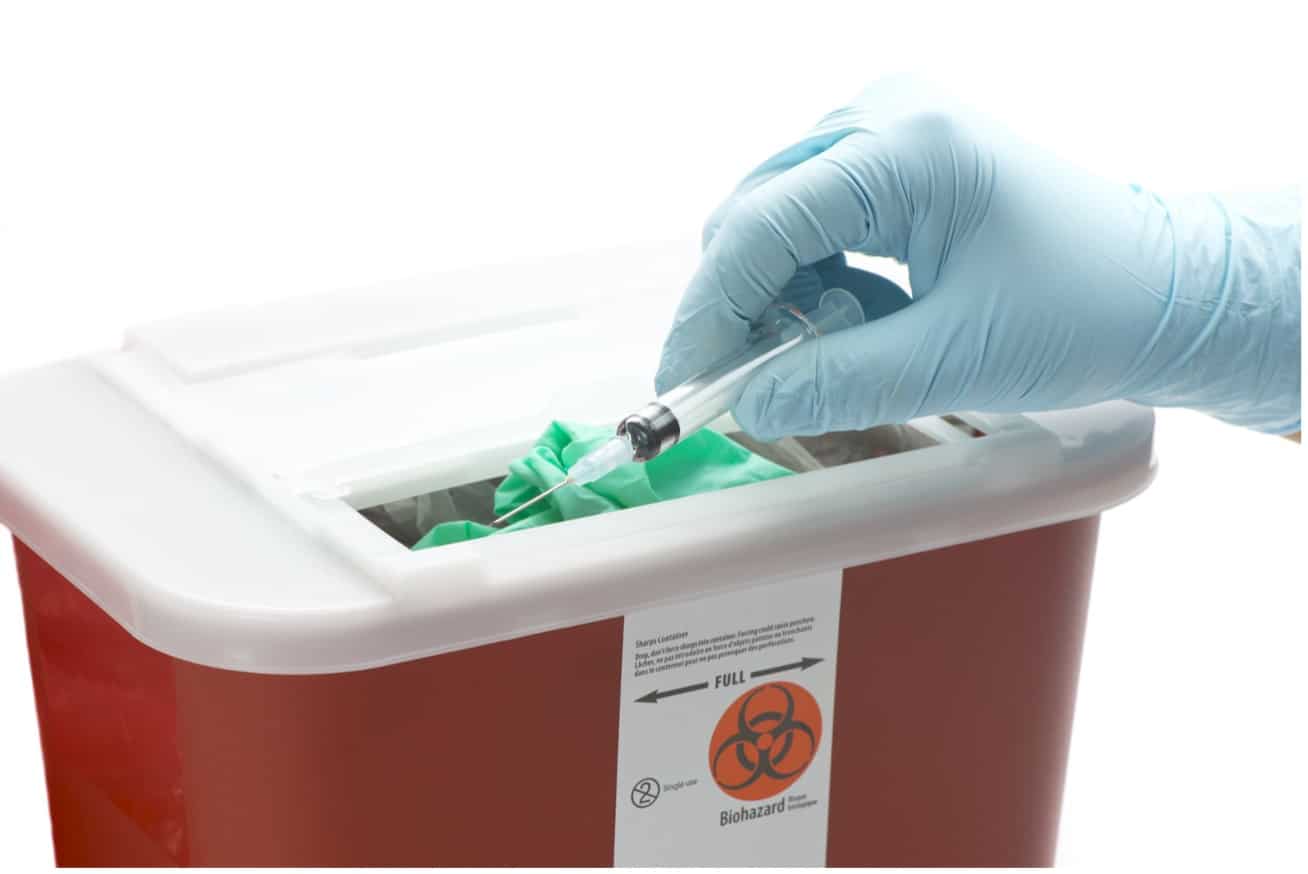
The Proper Way To Dispose Of Hazardous Waste: Expert Tips
Hazardous waste disposal refers to the process of properly managing and eliminating materials that pose significant risks to human health and the environment. In today’s industrialized world, hazardous waste has become a growing concern due to its potential to cause severe pollution, contamination of natural resources, and long-term health impacts. It is crucial to understand and address the complexities associated with hazardous waste disposal to safeguard our communities and preserve the planet for future generations.
Hazardous waste includes various substances such as chemicals, solvents, heavy metals, pesticides, radioactive materials, and pharmaceuticals. Improper disposal of these substances can lead to disastrous consequences, such as soil and water pollution, air contamination, and harm to wildlife. Therefore, effective management of hazardous waste requires adherence to stringent regulations and protocols that ensure its safe containment, transportation, treatment, and final disposal. This article will delve into the different methods of hazardous waste disposal, the underlying environmental risks, and the importance of adopting sustainable practices to minimize our ecological footprint.
Different Methods of Hazardous Waste Disposal
There are several methods for hazardous waste disposal, each with its own benefits and drawbacks. One commonly used method is landfill disposal, where hazardous materials are buried in designated areas. Landfill disposal requires careful containment and management to prevent seepage into the surrounding soil and groundwater. Another method is incineration, which involves the controlled burning of hazardous waste at high temperatures. Incineration can effectively destroy many types of hazardous substances but can also release harmful pollutants into the air if not properly controlled.
A more sustainable approach to hazardous waste disposal is through recycling and reclamation. Materials such as metals, plastics, and solvents can be recovered and reused, reducing the need for new production and minimizing environmental impact. This method not only reduces waste but also conserves valuable resources. In the healthcare industry, medical waste management in Melbourne plays a crucial role in ensuring proper disposal of hazardous materials generated from healthcare facilities. Melbourne medical waste management companies follow strict guidelines and employ advanced technologies to safely handle and dispose of medical waste, preventing contamination and protecting the health of both workers and the community.
In conclusion, hazardous waste disposal is a critical issue that requires careful attention and proper management. It is essential to establish and enforce regulations that ensure the safe containment, transportation, treatment, and final disposal of hazardous materials. By adopting sustainable practices such as recycling and reclamation, we can minimize our ecological footprint and conserve valuable resources. Additionally, industries and healthcare facilities must prioritize responsible waste management to protect the environment and ensure the health and safety of workers and communities. By addressing the complexities associated with hazardous waste disposal, we can work towards safeguarding our planet for future generations.